
Journal
Does Dyed Hair Affect My Color Analysis? Common Questions Answered
By Kyshel, Certified Personal Color Analyst · October 14, 2026
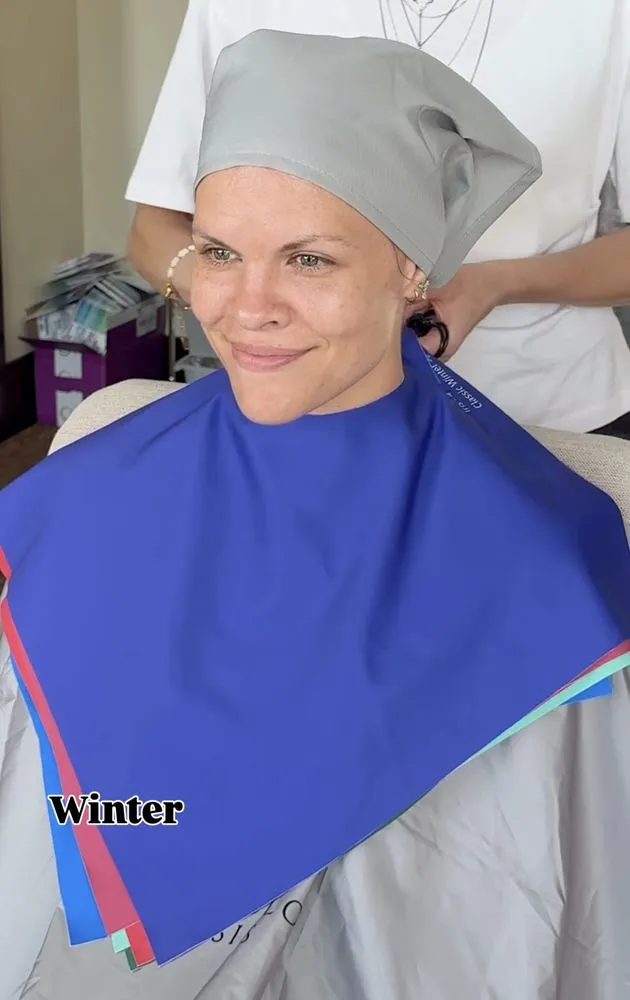
The short answer: No, dyed hair won't change your color analysis results. During your session, your hair is covered with a neutral wrap, and your natural coloring is read from your skin, eyes, brows and roots. Your palette is based on your undertone, which hair dye doesn't change.
Ever wondered if your dyed hair could mess up your personal color analysis results? It's a question many people ask before their session. Whether you have bright blonde highlights, vibrant reds, or silver strands, here's what really happens, and how to prepare so you get the most accurate results.
Does hair dye influence your color palette?
The answer is reassuring: it does not. Personal color analysis focuses on your natural undertones, which live beneath the surface of your skin and stay the same no matter how you color your hair.
As certified personal color analyst Kyshel Belnap of The True Color Experience explains, "Your palette is based on your undertone, which hair dye doesn't change." Even if you've been coloring your hair for years, your natural palette stays consistent.
In practical terms, a client with vibrant red dyed hair and another with natural light brown hair can share the very same palette. You don't need to let your hair go back to its natural shade before your session.
Why dyed hair doesn't change your natural coloring
Hair dye only changes the outer color of your hair. Your natural undertone, the color beneath your skin's surface, stays the same.
"I read your natural coloring from your skin, eyes, brows and roots, not your dyed hair," Kyshel says. Those natural features give an accurate picture of your true palette, regardless of your current hair color.
How undertone and contrast define your palette
Your personal color palette comes from a combination of your natural skin undertone, your eye color, your brows and your natural hair roots. Together, they create your contrast level and show whether your coloring leans soft or clear. Hair dye doesn't change any of these, which is why it can't mislead your analysis.
What happens during your session?
Neutral capes and hair wraps
When you arrive, you'll wear a neutral cape over your clothes, and your hair will be covered with a neutral wrap. This keeps your hair color from reflecting onto your face or distracting from the drapes.
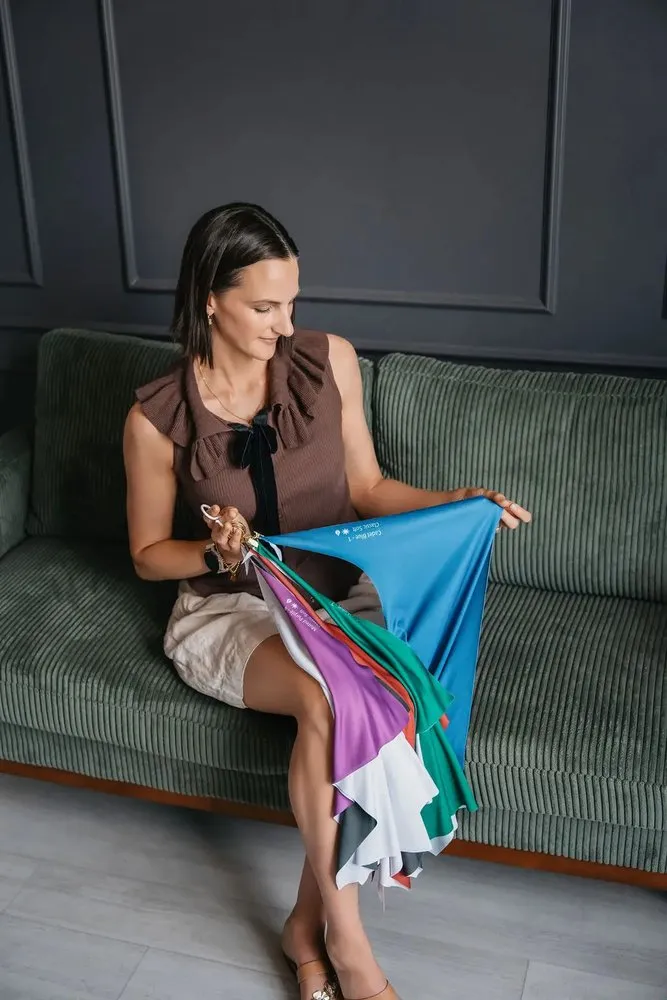
From there, colored fabric drapes are held under your face to see which ones brighten your skin, make your eyes stand out and soften shadows. Those are the key signs of your true palette.
Reading your skin, eyes, brows and roots
Throughout your session, your natural brows, lashes and any visible roots offer helpful clues to your natural coloring. By focusing on these untouched features, you get accurate recommendations no matter what color your hair is today.
How to prepare for your appointment
Don't stop dyeing your hair
Many clients worry they need to grow out their natural shade first. You don't. Keep your regular hair routine and come as you are. A little regrowth can help, but it's never required.
Come with a bare face and no self-tanner
What does make a difference: arriving with a bare face, free of makeup and self-tanner. Those products can temporarily change how your skin's undertone looks.
What about gray or silver hair?
Natural gray and silver hair are always welcome, and they don't need to be covered! Unlike dyed hair, natural gray is part of your real coloring, so it actually gives helpful information about your contrast and how your coloring has softened over time. Only dyed hair gets covered during draping.
Your natural undertone is still the foundation of your palette. Many clients find that knowing their season makes it much easier to decide whether to embrace their gray, add highlights, or try warmer or cooler tones.
Choosing your next hair color with your palette
Hair that harmonizes with your natural coloring brightens your complexion and makes your eyes more vivid. Hair that clashes can make your skin look dull, even in your favorite outfits.
Because the 22 Palette System is so specific, your hair color guidance is tailored to your exact palette, not just a general season. After your session, you'll get recommendations you can take to your stylist, whether you want to go warmer, cooler, lighter, darker or back to your natural shade.
Common questions
Is it better to go lighter or darker when dyeing your hair?
It depends on your palette. Some palettes shine with lighter shades, while others come alive with deeper ones. Your color analysis results will guide that choice.
What's the golden rule of hair color?
Choose hair colors that harmonize with your skin's undertone and natural contrast, rather than following trends.
What should I think about during my color analysis?
Pay attention to which colors make your skin look clear and your eyes bright. Your undertone, contrast and those reactions are the foundation of your palette, for clothing, makeup and hair.
Key takeaways
- Dyed hair does not affect your color analysis results.
- Your undertone and natural contrast are the foundation of your palette.
- Neutral wraps and capes keep your hair color out of the reading.
- Natural gray and silver hair stay uncovered, since they're part of your natural coloring. Only dyed hair is covered.
- Knowing your palette makes choosing a flattering hair color easier.
Embrace your true colors
Whether your hair is dyed, gray or natural, your palette comes from your undertone and natural features. As Kyshel puts it, "Your session is all about discovering the shades that were always there underneath."
Have more questions? Visit our Color Analysis FAQs. If you're in Ogden, North Ogden, Pleasant View or anywhere in Weber or Davis County, Kyshel would love to help you discover your palette.